A new build has obvious appeal. Nobody has lived there before, the boiler is new, the walls are freshly painted and there is no chain above you to collapse. But moving into a new build home comes with its own quirks, and they catch people out. Completion dates can move at short notice, the estate may still be a building site, and the house itself will need some patience while it settles.
New developments are going up all over Cheshire, the Wirral and the wider North West, and they bring a particular set of moving day challenges. This guide covers them, from access on unfinished roads to measuring rooms that only exist on a floor plan.
In short: keep your removal date flexible until the developer confirms legal completion, ask about road access and parking on the estate, measure the actual rooms before moving day, keep a snagging list from the first hour, and protect new carpets and paintwork during the move. If dates slip, short term storage bridges the gap.
Why Do New Build Completion Dates Move?
When you buy off plan, the developer usually gives an estimated completion window rather than a fixed date. The house cannot complete until it is finished, signed off by building control and the warranty inspector, and the developer has served notice to complete. Weather, supply problems and labour shortages can all push that back.
The practical upshot is that you may only get one or two weeks’ firm notice of your moving date. That is enough for us to plan, but it helps to:
- Book a home removal survey early and tell us it is a new build, so we can pencil in a provisional date.
- Keep in close contact with the sales office and your solicitor about when notice to complete is likely.
- Avoid giving notice on a rented home until your completion date is firm, or have a storage plan ready.
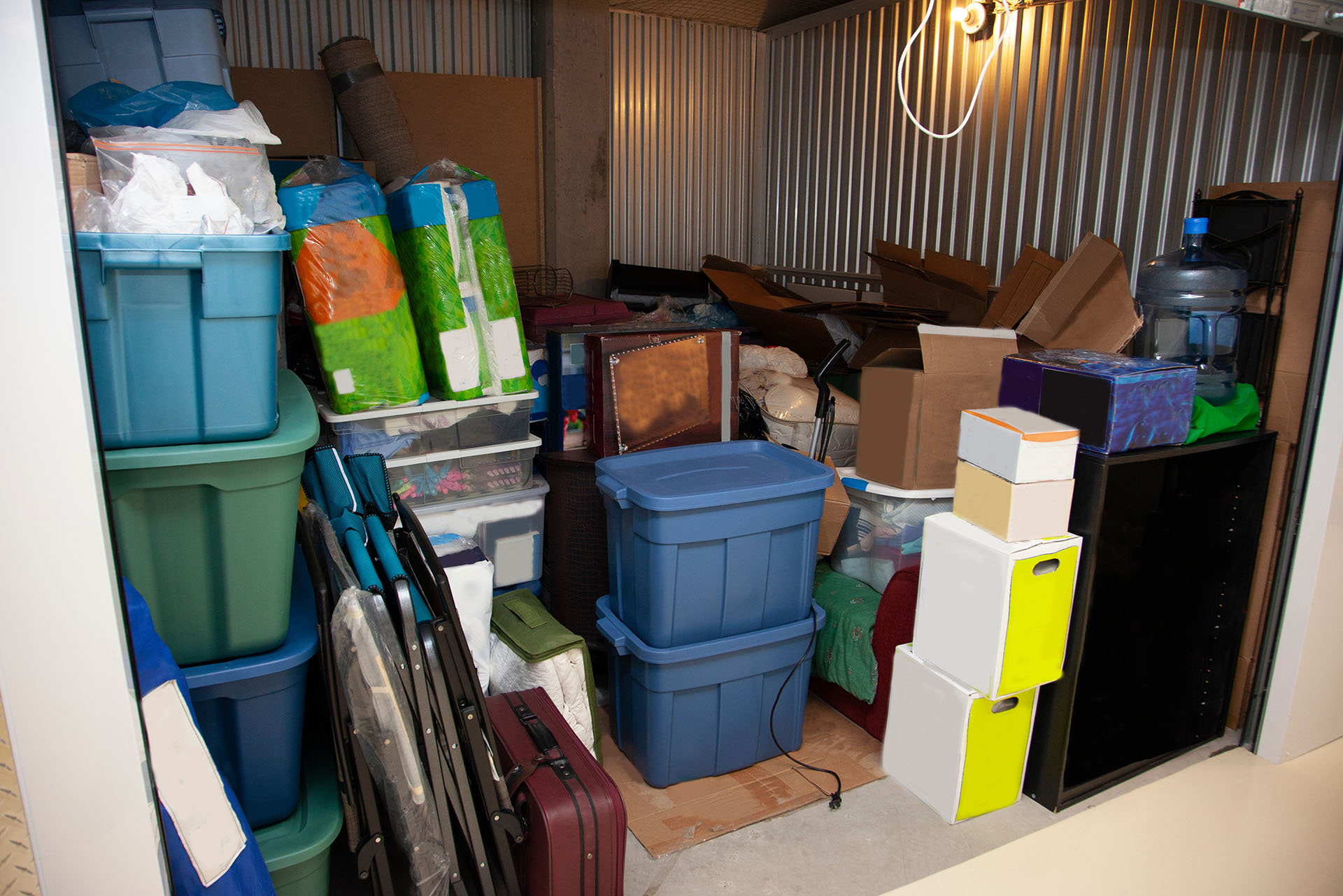
If you have to leave your current home before the new one is ready, container storage keeps your belongings packed and sealed until the keys are released. Our guide to whether you need storage when moving explains how that works in practice.
What Is Access Like on a New Development?
On a finished street, access is predictable. On a development where half the plots are still being built, it often is not. Things we check for new build moves include:
- Road surfaces. Some estates still have a base course rather than the final top layer, with raised ironworks and kerbs that need care with a large vehicle.
- Construction traffic. Site deliveries, cranes and plant may be using the same roads on your moving day.
- Site rules. Some developers restrict when vehicles can enter or ask removal crews to sign in.
- Parking. Driveways may not be finished, and shared private drives can be narrow.
- Mud. In late autumn and winter, a site entrance can be very muddy, which matters for floors and carpets.
Ask the sales office whether there are any restrictions on removal vehicles, and let us know when we quote. We match the vehicle to the access, from 3.5 tonne Luton vans to full size removal vehicles.
How Do You Plan Furniture for Rooms You Have Not Seen?
If you bought from plans or a show home, it is easy to overestimate the space. Show homes are often furnished with smaller than average beds, sofas and wardrobes to make rooms feel larger.
- Get the floor plan with dimensions from the developer.
- Measure the real rooms at a pre-completion visit if you can, especially bedrooms, the landing and the turn of the stairs.
- Measure your large furniture, including the sofa depth and height, which decides whether it fits through doors and up the stairs.
- Check where sockets, radiators and windows are, as they decide where beds, wardrobes and televisions can go.
- Decide what is not coming before moving day rather than discovering it on the landing.
Many new builds are smaller than the homes people move from. If you are leaving a larger, older property, our downsizing guide can help you decide what to keep.
What Is Snagging and When Should You Do It?
Snagging means listing defects or unfinished work for the developer to put right. Common snags include paint marks, poorly fitted doors, cracked tiles, missing sealant and scratched fittings. Some buyers inspect before completion, some use a professional snagging company and some do both.
Moving day matters here, because it is hard to prove later whether a scuff was there before the furniture arrived. To protect yourself:
- Walk through and photograph every room before the crew starts unloading.
- Keep a dated list of anything you find.
- Report snags to the developer in writing, following their customer care process.
Most new homes are built under a consumer code that sets out how developers must handle complaints. Depending on the builder, that may be the New Homes Quality Code, backed by the New Homes Ombudsman Service, or the Consumer Code for Home Builders. Both cover the first two years after you buy. After that, structural defects usually fall to the new home warranty, such as NHBC Buildmark. Your solicitor or the developer will confirm which code and warranty apply to your home.
How Do You Protect a Brand New Home on Moving Day?
Fresh paint is soft, new carpets mark easily and newel posts on new staircases are easy to knock. Our crews use floor protection and take care with tight turns, but you can help:
- Ask for carpet protector film to be laid on the main walkways if carpets are already fitted.
- Keep spare mats at the door, especially if the estate is muddy.
- Hold back on hanging pictures until the plaster has had time to dry out.
- Leave large or awkward furniture assembly until the stairs and doorways are clear.
Our guide to what to expect on moving day walks through how the crew works from arrival to the final check.
What Should You Expect in the First Few Months?
New homes contain a lot of moisture from plaster, concrete and paint, and it takes time to dry out. As it does, small hairline cracks can appear where materials shrink. This is normal, and most developers ask you to report them at the end of the first year rather than repainting straight away.
- Ventilate well, using trickle vents and extractor fans, and open windows when you can.
- Keep the heating at a steady, moderate level rather than very high, so the house dries evenly.
- Do not push furniture tight against external walls, so air can circulate.
- Read the home user guide from the developer. It explains your heating system, meters and any communal areas.
If you are not ready to fill every room, or want to wait until the house has settled before unpacking the good furniture, our guide to protecting furniture in storage from damp is worth a read.
What Admin Is Specific to New Builds?
- Postcode and address. New addresses sometimes take a while to appear on online systems. Check with Royal Mail’s postcode finder and give suppliers the plot number as well if needed.
- Council tax. The property may not have a council tax band yet. Register with the council anyway so the bill starts from the right date.
- Utilities. The developer will usually tell you who supplies energy and water. Take meter readings on the day you get the keys.
- Broadband. Check which providers serve the development, as not all new estates are connected to every network on day one.
For everyone else you need to tell, see our moving house timeline checklist.
Frequently Asked Questions
- How much notice do you get for a new build completion?
Often around 10 working days once the developer serves notice to complete, though it varies. Keep your removal date provisional until then. - Can a removals lorry get onto a building site?
Usually yes, but site rules and unfinished roads can limit vehicle size or timings. Ask the developer about restrictions and tell us when we quote. - Should I get a professional snagging survey?
Many buyers do, especially on larger homes. Either way, photograph every room before your furniture arrives so you have a clear record. - What if my new build is not ready on time?
Your belongings can go into secure storage until completion. We can collect from your old home and deliver to the new one once you have the keys. - Why are there cracks in my new build walls?
Small hairline cracks are common as new materials dry out. Developers usually ask you to report them at the end of the first year. Report anything larger or that keeps growing straight away.
More From Our Blog
- Can You Realistically Move House Before Christmas?
- How Long Does It Really Take to Move House?
- How Should You Pack for a House Move? A Room by Room Guide
Moving Onto a New Development?
Tell us the plot, the developer and your expected completion window, and we will plan around the site and hold a provisional date for you. Call 0151 343 1264 or request your free moving quote.