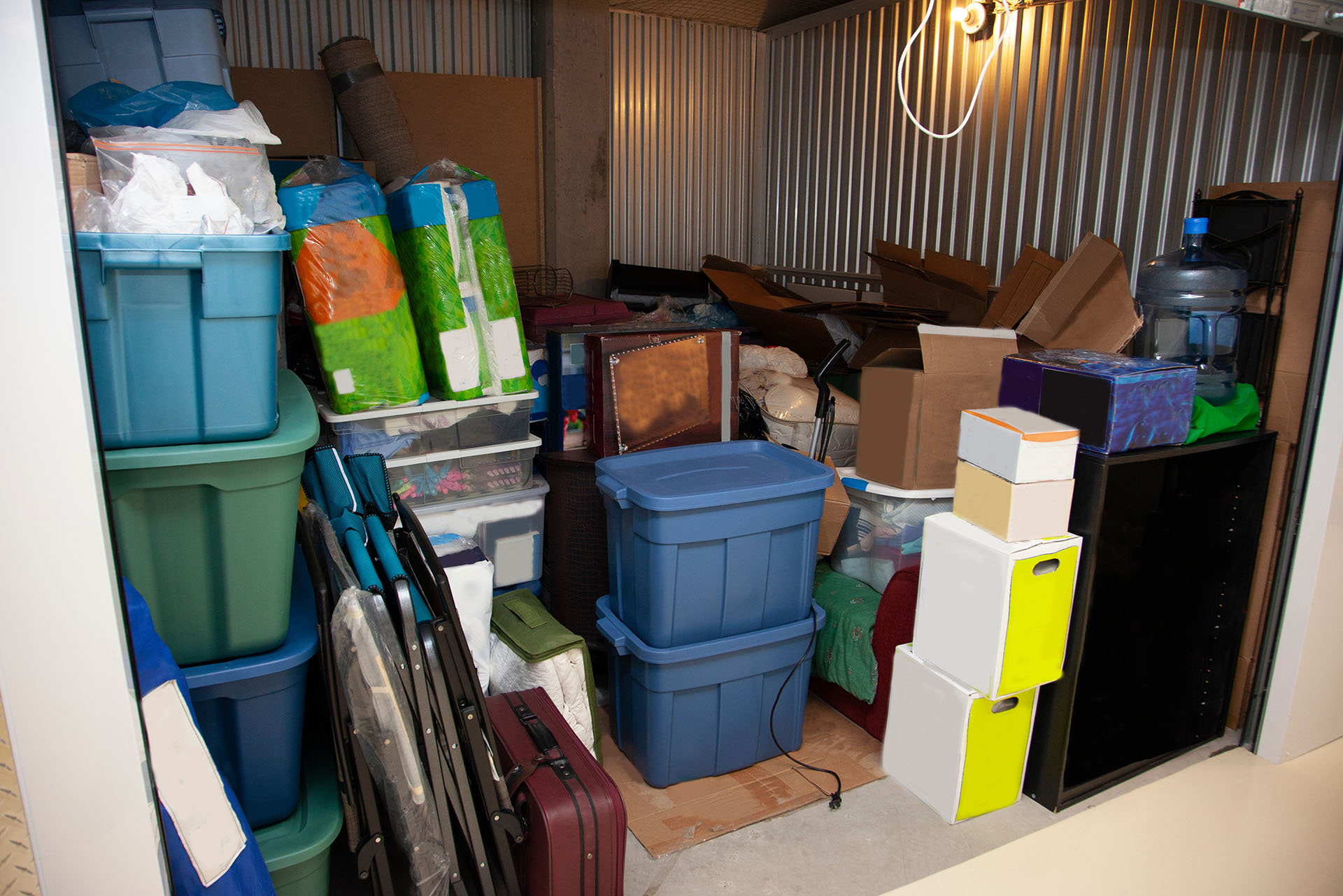
Many people book their building work for the quieter months so it is finished by spring. Then the builders arrive and the question becomes real: where does all the furniture go? Shifting it from room to room as the work moves around the house sounds manageable until you are living with a sofa in the hallway and a fine layer of plaster dust on everything you own.
Using storage during home renovation is not always necessary, but for bigger projects it often saves money, time and belongings. This guide explains when it makes sense, how to plan it and what to store.
In short: storage is worth considering for any project that affects several rooms, involves heavy dust, or will last more than a few weeks. Clearing rooms lets trades work faster, protects furniture from dust and damage, and makes the house easier to live in. Plan the timing with your builder, store only what you will not need, and keep access in mind if the project runs over.
When Is Storage Worth It?
Storage tends to pay for itself on projects such as:
- Kitchen refits, where cupboards, appliances and dining furniture all need to come out
- Extensions that knock through to existing rooms
- Loft conversions, which usually mean clearing the loft and the rooms below the new staircase
- Rewiring, replastering or new flooring across several rooms
- Whole house refurbishments, where you may be moving out for a period
For a single room repaint or a bathroom refit, moving things into another room is usually enough. Our article on whether you actually need storage uses the same logic for house moves.
Why Clear Rooms Rather Than Work Around Furniture?
Dust gets everywhere
Sanding, cutting and plastering produce fine dust that settles into fabric, electronics and the inside of drawers. Dust sheets help but are rarely enough on a long job.
Trades work faster in empty rooms
Builders, electricians and floor fitters charge for their time. If they spend part of every day moving your furniture, you pay for it. A clear room is quicker and safer to work in.
Accidents happen
Ladders, tools and materials moving through a crowded house can scratch or break things. Furniture in storage is out of harm’s way.
Living through it is easier
If you are staying at home during the work, a house that is not stacked with displaced furniture is much easier to live in.
How Do You Plan Storage Around Building Work?
- Get a realistic timetable from your builder. Ask how long each phase will take and add some margin. Projects often overrun.
- Decide what you need to keep at home. Beds, a few chairs, the kettle and everyday clothes usually stay.
- Book collection before the builders start. Aim for the week before work begins so rooms are clear on day one.
- Plan the return. Have your belongings brought back once the dust has settled and floors are finished, not the day the last trade leaves.
- Think about access. If you might need something mid-project, keep it at home or tell your storage provider in advance.
Our home survey works just as well for storage as for a house move. We will look at what needs to go and recommend the right type and amount of storage.
What Type of Storage Suits a Renovation?
- Container storage suits larger projects. Your furniture is loaded into storage containers of around 250 cubic feet each and kept together until you need it back.
- Pallet storage suits smaller amounts, such as the contents of one room or a kitchen’s worth of boxes and appliances.
- Professional packing is worth adding if you do not have time to pack fragile items yourself before the builders start.
Storage terms are flexible, so if the project runs over by a few weeks you can simply extend.
How Should You Prepare Items for Storage?
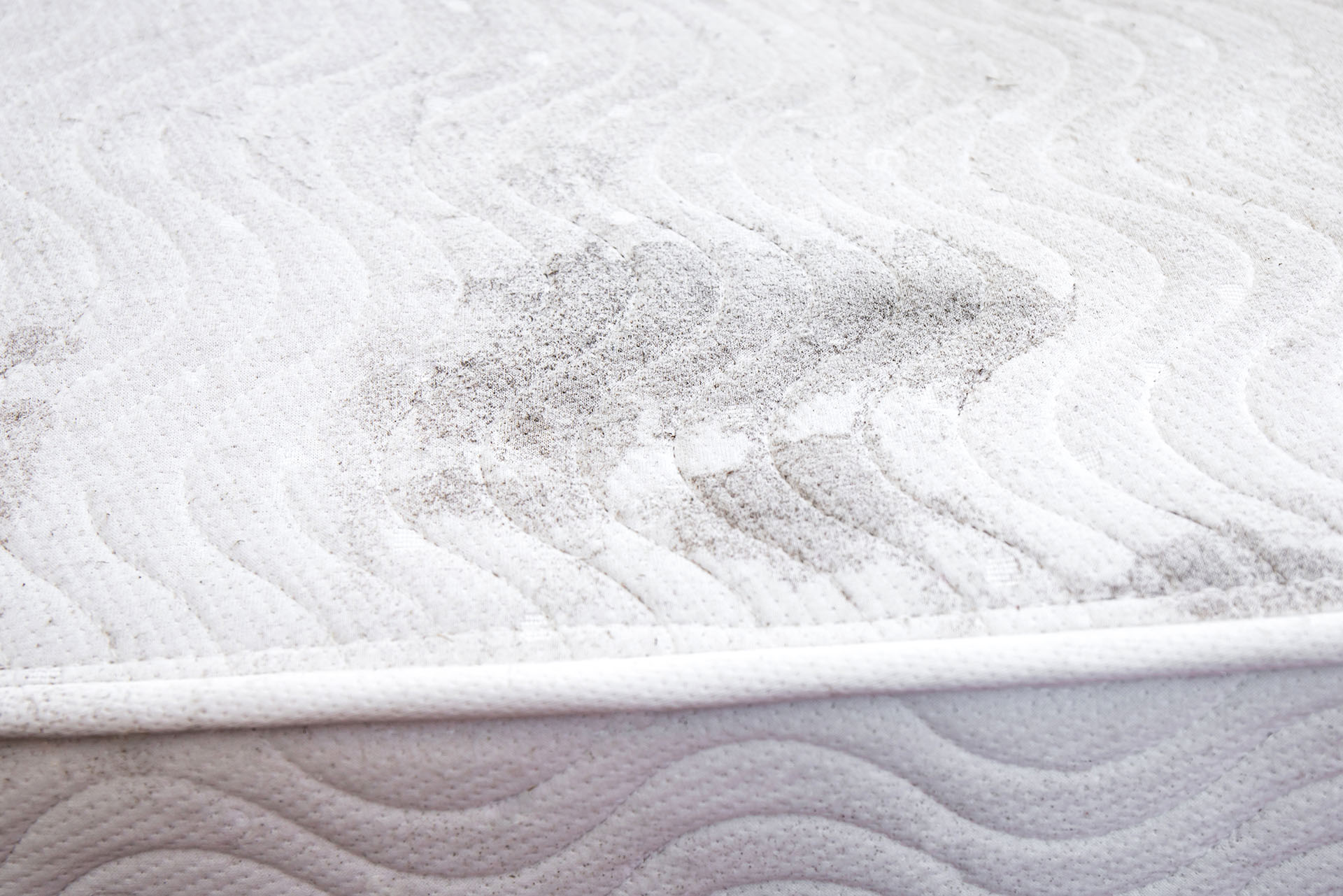
Renovation projects often run through winter, so the same damp rules apply. Clean and dry everything before it goes, use breathable covers on wood and upholstery, and defrost and dry any appliances you are storing. Our guide to protecting furniture in storage from damp covers each type of item in detail.
Remember that paint, solvents, gas bottles and other hazardous materials cannot go into storage. That matters during a renovation, when there may be half used tins of paint in every room. Our guide to items removal companies cannot move lists the exclusions.
What Else Should You Sort Before Work Starts?
- Permissions. Check whether your project needs planning permission or building regulations approval. GOV.UK covers both planning permission and building regulations approval.
- Your builder. Government endorsed schemes such as TrustMark and trade bodies such as the Federation of Master Builders can help you find vetted tradespeople.
- Your home insurance. Tell your insurer about major building work, as it can affect your cover. The Association of British Insurers has consumer guidance on home insurance.
- Valuables. Keep jewellery, documents and small valuables with you rather than in storage or in a house full of trades.
Should You Move Out During the Work?
For a whole house refurbishment, or if the kitchen and bathroom are both out of action, moving out for a few weeks or months can be the sensible option. In that case, a full move into storage, with essentials going with you to temporary accommodation, is effectively a two stage removal. Our room by room packing guide applies in exactly the same way.
If you are downsizing at the same time as renovating, our downsizing guide may help you decide what is worth bringing back at all.
Frequently Asked Questions
- How long can I keep my furniture in storage during a renovation?
As long as you need. Storage can be arranged for a few weeks or extended for months if the project runs over. - Can I get things back out of storage mid-project?
Yes, with notice. Containers need to be located and brought out, so please give as much warning as you can, and a handling charge may apply. - Will the builders move my furniture for me?
Some will, but it adds time to the job and the furniture is still in the house with the dust. Clearing rooms before work starts is usually quicker and safer. - Is storage cheaper than paying for damage?
Often, yes. Replacing a dust damaged sofa or a scratched dining table can cost more than a few weeks of storage. - Do you collect and deliver?
Yes. Our team can collect your belongings before work starts and return them when your home is ready.
Clear the Way for Your Builders
Tell us about your project and we will plan collection, storage and return around your builder’s timetable. Call 0151 343 1264 or request your free storage quote.