Most of what you own can travel safely on a removal lorry, but not everything. A small number of items are excluded for safety, hygiene and insurance reasons, and a few more are better kept with you. Finding this out on moving day can mean a scramble to dispose of things or an extra car journey you had not planned for.
This guide sets out the items removal companies cannot move, explains why the rules exist and suggests what to do with each one instead. If you are unsure about anything specific, ask during your home removal survey so it can be planned for.
In short: removal companies will not carry anything flammable, explosive or hazardous, including gas bottles, petrol, paint, solvents and chemicals. Machinery must be drained of fuel and oil. Perishable food, opened liquids and live plants cannot go into storage. Pets, medication, important documents and valuables should always travel with you.
Why Are Some Items Not Allowed on a Removal Lorry?
A removal vehicle is an enclosed space packed tightly with furniture, fabric and cardboard. A leaking fuel can or a cracked chemical bottle can cause a fire, give off harmful fumes or ruin everything around it. The rules exist to protect your belongings, the crew and other road users. They also reflect what insurance will and will not cover, so a damaged item caused by a banned substance may not be covered at all.
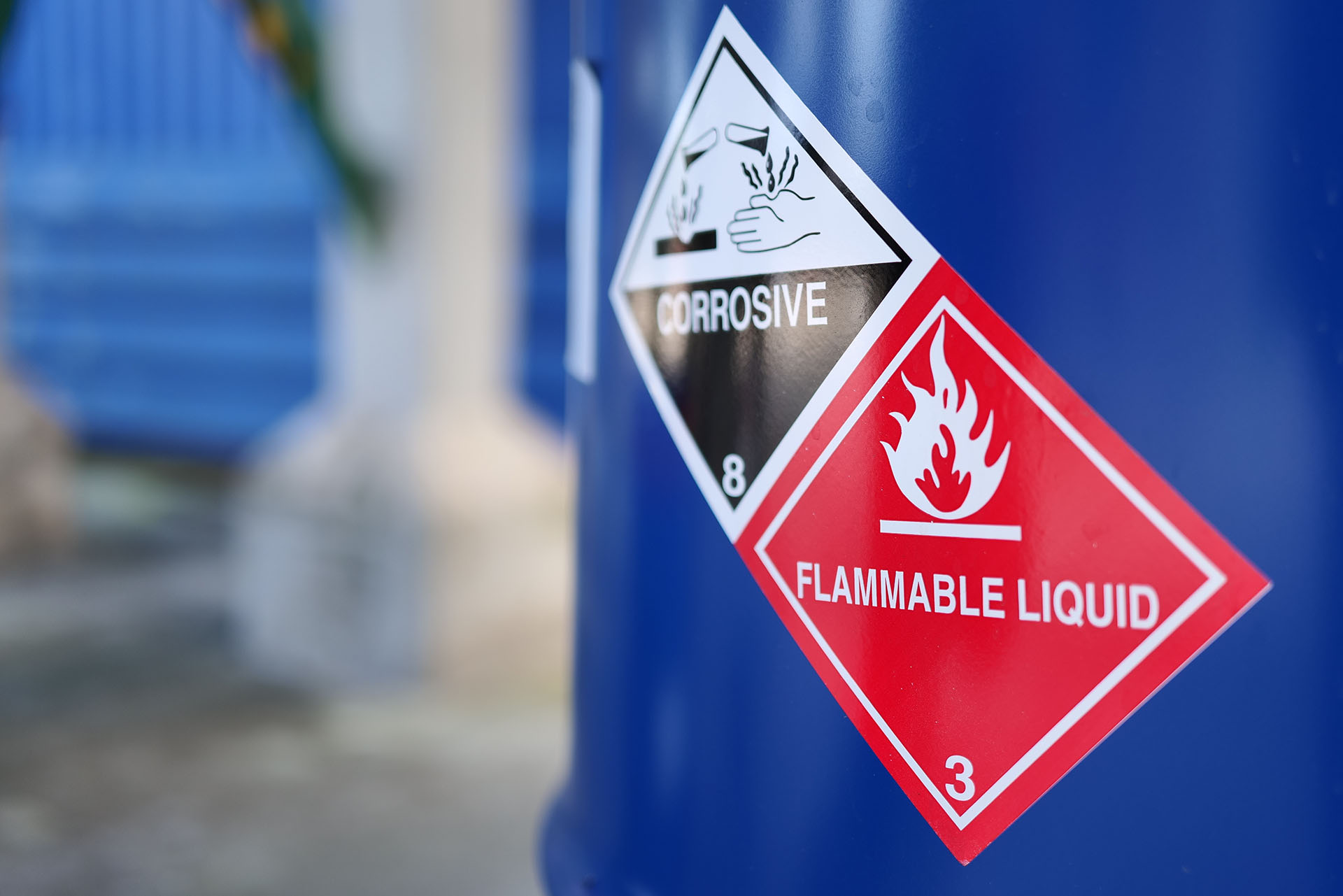
What Hazardous Items Cannot Be Moved?
These items should never be packed or loaded:
- Gas cylinders, including patio heater and barbecue bottles, full or empty
- Petrol, diesel and other fuels, including jerry cans
- Flammable liquids such as paraffin, lighter fluid and methylated spirits
- Paint, varnish, thinners and solvents
- Garden and household chemicals, such as weedkiller, pool chemicals, bleach and drain cleaner
- Fireworks and anything else highly combustible
What should you do with hazardous items?
- Use them up in the weeks before the move where you safely can.
- Give them away to neighbours, friends or local community groups.
- Take them to a household waste recycling centre. Most councils accept paint, oil, gas bottles and chemicals, though rules vary. Find yours through GOV.UK’s local council finder.
- Return gas bottles to the supplier if they are on a rental or exchange scheme.
What About Lawnmowers and Garden Machinery?
Lawnmowers, strimmers, chainsaws, pressure washers and similar equipment can be moved, but only once they have been completely drained of fuel and oil. Run petrol engines until the tank is empty, clean off grass and mud, and store any removable batteries separately. Garden sheds are usually one of the last places people pack, so leave yourself plenty of time.
What Cannot Go Into Storage?
If some or all of your belongings are heading into secure storage, a few extra rules apply because items may sit there for weeks or months. As well as the hazardous items above, storage excludes:
- Perishable food and opened food containers, which attract pests and spoil
- Opened liquids such as oils, sauces and cleaning products
- Live plants, which need light and water and can carry insects
Make sure anything going into storage is clean and dry, since damp belongings can develop mould. Our complete guide to secure storage explains the different storage options and how to prepare items for them.
What Should You Keep With You Instead?
Some items are not banned, but they are far safer travelling with you in the car.
Pets
Animals must never travel in a removal vehicle. Plan their journey and their day separately. Our guide to moving house with children and pets has practical tips for keeping them calm.
Important documents
Keep passports, birth and marriage certificates, property paperwork, wills and financial documents in a folder that stays with you.
Valuables and irreplaceable items
Jewellery, cash, small heirlooms, family photographs and hard drives are best carried personally.
Medication
Carry prescriptions and everyday medicines with you, along with enough for a few days in case unpacking takes longer than planned.
Keys and electronics
Keep keys for both properties, your phone, chargers and laptop within reach all day.
What About Food and Plants on a Local Move?
For short local moves, sealed tins and packets travel perfectly well in boxes, and houseplants can often go in your car. The freezer is best emptied and defrosted before the move. For local moves, a freezer with a few items left in it may sometimes be loaded last and unloaded first, but for longer journeys it should always be fully emptied. If you are moving a long distance or abroad, rules are stricter. Our guide to international removals covers customs restrictions on food, plants and other goods.
Are There Items the Crew Cannot Reach?
Sometimes the issue is access rather than the item itself. Our team can only work in lofts that have a fitted ladder or staircase, solid boarding and proper lighting. If yours does not, bring items down before moving day. Very heavy items such as safes, hot tubs or large gym equipment may need extra crew or equipment, so mention them at the survey stage.
A Quick Pre Move Checklist
- Walk through the garage, shed and under the sink and gather any hazardous items.
- Use up, give away or dispose of what you cannot take.
- Drain fuel and oil from garden machinery.
- Run down the contents of your fridge and freezer.
- Pack a folder of documents, valuables and medication to travel with you.
- Check with your removals company about anything you are unsure of.
Once that is done, you can finish the rest of your packing with confidence. Our guide on how to pack for a house move takes you through each room.
Frequently Asked Questions
Can removal companies move paint?
No. Paint, varnish and thinners are treated as hazardous and should not be loaded. Use them up, give them away or take them to your local recycling centre.
Can I move a gas barbecue?
Yes, the barbecue itself can be moved once cleaned, but the gas bottle must be disconnected and cannot travel on the removal vehicle.
Can removal companies move plants?
Plants can sometimes travel on short local moves, but they cannot go into storage. For longer moves it is usually better to transport them in your own car.
Will removal companies move a fridge freezer?
Yes, provided it has been emptied and defrosted beforehand so it travels dry and clean.
What happens if a banned item is found on moving day?
The crew will set it aside and it will not be loaded. You will need to make your own arrangements for it, which is why it is best to check in advance.
Not Sure About an Item?
If you are unsure whether something can be moved or stored, just ask. Our team is happy to help you plan around it. Call 0151 343 1264, email sales@cheshiremoving.co.uk or request your free quote.