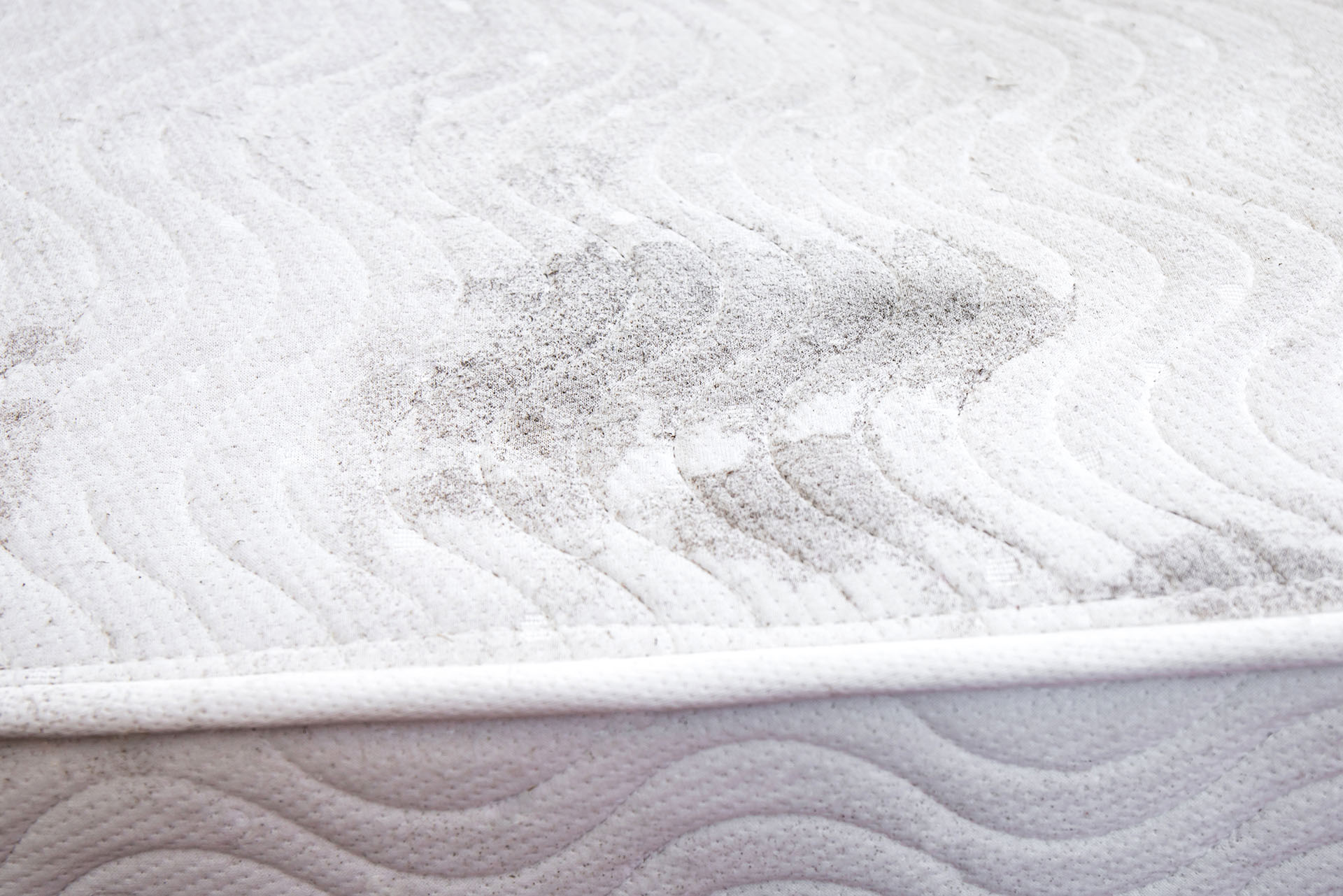
Most damage to stored belongings is not caused by knocks or theft. It is caused by moisture. A sofa that goes into a garage slightly damp, a mattress sealed in plastic, a box of photographs left on a concrete floor: by spring, any of them can be marked, musty or mouldy. Winter is when the risk is highest, because cold surfaces and wet weather produce condensation.
This guide explains how to protect furniture in storage, whether that is in your own loft, garage or a professional facility, and what to check before you hand anything over.
In short: make sure everything is clean and completely dry before storage, use breathable covers rather than sealed plastic on wood and upholstery, keep items off the floor and away from walls, leave appliances with their doors ajar, and choose a storage space that stays dry through the winter. Damp in, damp out.
Why Does Damp Damage Stored Belongings?
Air always carries some water vapour. When warm, moist air meets a cold surface it condenses into droplets. In a storage space that warms during the day and cools at night, that can happen again and again. Moisture then soaks into absorbent materials such as fabric, cardboard, paper and untreated wood. Given time and a little warmth, mould follows.
The usual culprits are:
- Items packed when they were not fully dry, especially after cleaning
- Plastic sheeting or bags sealed around wood or fabric, which trap moisture inside
- Belongings stored directly on concrete floors or against external walls
- Garages, sheds and lofts that are not watertight or that swing between warm and cold
- Fridges, freezers and washing machines put away with water still inside
How Should You Prepare Each Type of Item?
Wooden furniture
Dust and wipe down, then let it dry. A coat of furniture wax on polished wood adds a light protective layer. Remove drawers or tape them shut, and dismantle large pieces where it is safe to do so. Wrap in breathable covers or removal blankets rather than cling film, which can trap moisture against the finish and mark it.
Sofas and upholstered chairs
Vacuum thoroughly, including under cushions. If you have cleaned the fabric, allow several days for it to dry. Use breathable sofa covers. Avoid stacking heavy items on top, which can crush the padding and leave permanent marks.
Mattresses
Store them flat or on their side in a breathable mattress cover. Fully sealed plastic bags can hold moisture against the fabric, so if you use plastic, make sure the mattress is completely dry and the storage space is dry too.
Fridges, freezers and washing machines
Defrost and dry fridges and freezers fully, then leave the door slightly ajar or wedged so air can circulate. Drain washing machines and dishwashers. Even a small amount of water left inside can create musty smells and mould over a few months.
Books, papers and photographs
Pack books flat or with spines down in small, sturdy boxes. Keep important papers and photographs in plastic crates or archive boxes off the floor. For anything particularly old or valuable, the Institute of Conservation has guidance on caring for treasured objects, and The National Archives publishes advice on storing paper records.
Clothes and soft furnishings
Wash or dry clean before storing, and make sure everything is dry. Use breathable garment bags or wardrobe cartons. Our clothing storage guide covers this in more detail.
Garden furniture
This needs particular care because it often goes into storage straight from a damp garden. Our guide to storing garden furniture over winter explains how to clean and dry it first.
What Packing Materials Help Against Damp?
- Strong, new cardboard boxes. Old boxes that have already been damp lose their strength and can carry mould spores.
- Plain packing paper. Newspaper ink can transfer onto items in humid conditions.
- Breathable dust covers and removal blankets for furniture.
- Plastic crates with lids for papers and small valuables.
- Moisture absorbing sachets in boxes of documents, electronics or leather goods.
If you would rather leave it to us, our professional packing service uses the right materials for each item.
Where Should You Store Things?
Lofts, garages and sheds
These can work for sturdy items, but many are colder and damper than people realise. Lofts are hot in summer and cold in winter. Garages often have damp floors and gaps around the door. If you store at home, keep everything raised on pallets or shelving, leave space between items and walls, and check on them every few weeks through the winter.
Professional storage
A managed warehouse is built for the job: a watertight structure, controlled access and goods handled by people who store belongings for a living. At our Wirral facility, household belongings are loaded into storage containers that hold around 250 cubic feet each and are handled as a unit, so your goods are not moved around unnecessarily. Smaller loads can go on pallet storage. Our guide to secure storage options compares them.
Whatever storage you choose, the rule is the same: dry going in. No storage space can dry out a damp sofa.
What Should You Ask a Storage Provider?
- How is the building kept dry and secure?
- Will my belongings be stored in containers, on pallets or in a unit?
- Can I access my things, and how much notice is needed?
- Which items are not allowed in storage?
- What insurance cover applies while my goods are stored?
Perishable food, opened liquids, live plants and anything flammable cannot be stored. Our guide to items removal companies cannot move lists the exclusions.
Frequently Asked Questions
- Should I wrap furniture in plastic for storage?
Generally not for wood or upholstery. Plastic can trap moisture against the surface. Breathable covers or blankets are better. Plastic is fine for crates and for items that are completely dry and not sensitive to moisture. - How do I stop a mattress going mouldy in storage?
Make sure it is completely dry, use a breathable cover, store it off the floor and keep it in a dry space. - Is a garage a good place to store furniture over winter?
Only if it is genuinely dry and watertight. Many garages have damp floors and large temperature swings, which can damage wood and fabric over a few months. - Should I leave the fridge door open in storage?
Yes. Once it has been defrosted and dried, leave the door slightly open so air can circulate and stop smells and mould forming. - Can I check on my belongings in your storage?
Yes, access can be arranged. Because containers need to be located and brought out, please give as much notice as possible, and a handling charge may apply.
More in This Series
- Can You Realistically Move House Before Christmas?
- What Is the Best Way to Store Garden Furniture Over Winter?
- Should You Plan Your Office Move Over Christmas?
- How Do You Help an Elderly Parent Move Home?
Store It Properly This Winter
If your loft or garage is not up to the job, we can collect, pack and store your belongings at our Wirral warehouse for as long as you need. Call 0151 343 1264 or get a free storage quote.