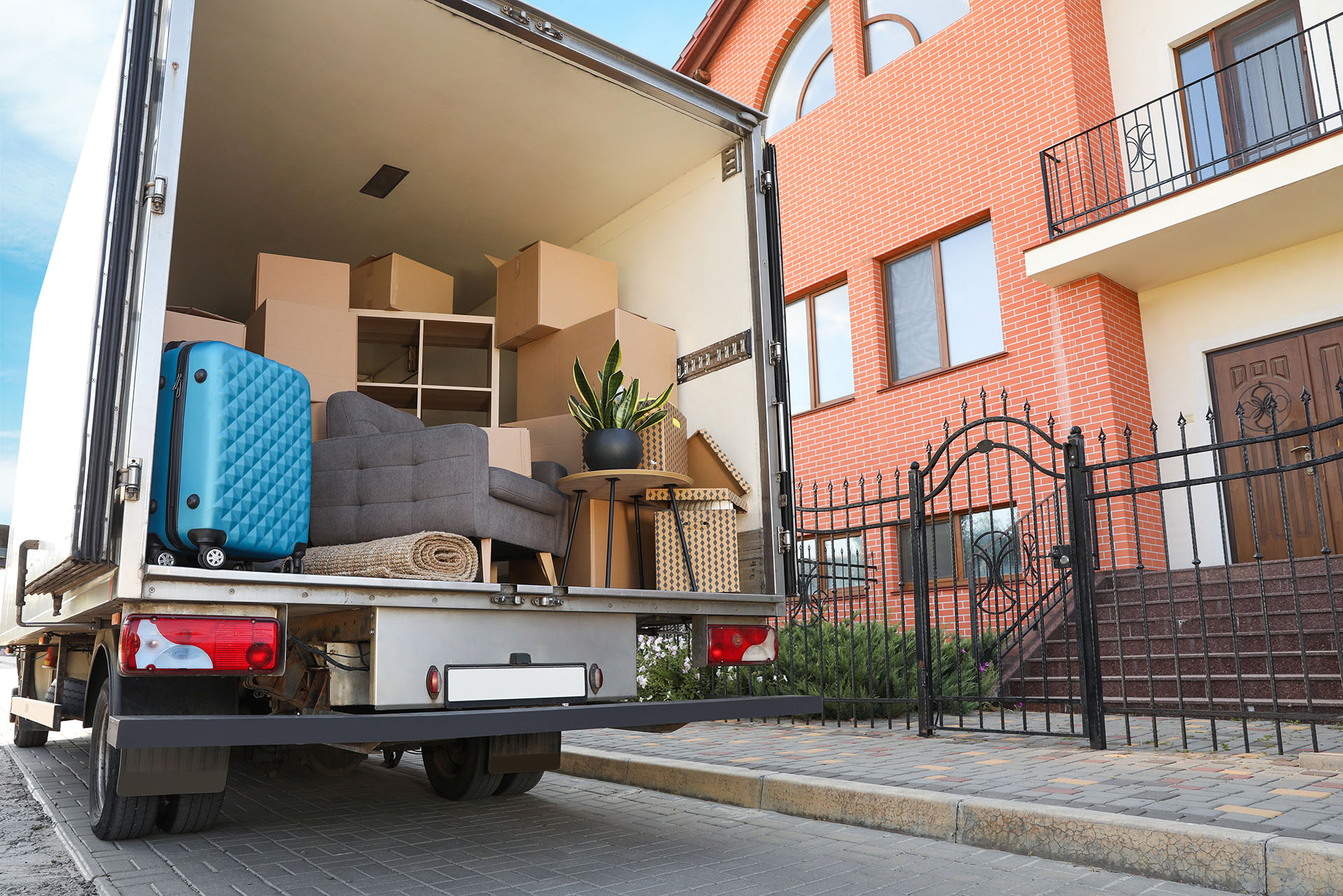
If you’ve ever tried to line up a house sale and purchase to complete on exactly the same day, you’ll know how rarely that actually happens. Property chains have got longer and slower in recent years, and that gap — between moving out of one home and into the next — is exactly where secure storage earns its keep.
Why moving home so often means needing storage
Recent industry data paints a clear picture of just how drawn-out the process has become. The average time from a sale being agreed to completion is now around 139 days, and the full journey from initial instruction to completion has stretched to roughly 216 days (Moving Compared, 2026). Most chains involve three to four linked property transactions, and delays in one often ripple through all of them.
Fall-throughs are rising too. In 2025, 37% of agreed property sales in the UK failed to reach completion, with leasehold transactions collapsing at a higher rate (43%) than freehold (36%) (Connells Group, 2026). Separate analysis puts the average UK home transaction at around 170 days from start to finish (Mortgage Introducer, 2026).
Even a single week’s delay at each stage of a four-property chain can cascade into a month of lost time overall. When that happens, you need somewhere safe to keep your belongings while the legal side catches up — without paying for a rushed, short-notice removal.
How containerised storage works
Your furniture and belongings are carefully wrapped, loaded into a dedicated container, and sealed on site before being stored securely within our warehouse. The container stays untouched until you’re ready for delivery, keeping everything protected, organised and exactly as it was packed. This makes it ideal for:
- House moves affected by completion delays
- Renovations and home improvements
- Decluttering and downsizing projects
- Temporary storage between properties
Because everything is logged with a detailed inventory at every stage, you always know exactly what’s in storage — useful if a chain delay means your move stretches from what should have been a few weeks into a couple of months.
Container storage vs traditional self-storage: the key differences
| Containerised storage | Traditional self-storage unit | |
|---|---|---|
| Best for | Full or partial house contents; long-term, low-access storage | Items you need to access regularly |
| Access | Managed retrieval — request items and they’re brought to you | Direct, walk-in access to your own unit |
| Handling | Professionally wrapped, loaded and sealed by trained staff | Usually self-service; you load and unload |
| Security | Centrally monitored facility-wide (CCTV, alarms) | Varies — often unit-level locks with shared site security |
| Typical use case | Moving home, renovations, downsizing | Ongoing personal or business storage with frequent access |
Both approaches have their place — but for a house move specifically, containerised storage tends to suit better simply because you’re not usually popping in and out for items mid-move. It’s about safe keeping until completion day finally arrives.
Commercial container storage
The same logic applies to business moves. Office relocations and refurbishments benefit from the same combination of containerised and racked storage, allowing everything from bulk equipment to stock and archived materials to be held securely until your new space is ready. If document storage specifically is more your concern, our archive storage page covers that in more detail.
Storage is only half the equation — how you pack matters just as much, particularly for fragile or high-value items. Our professional packing service can prepare everything using purpose-made materials, garment rails and specialist cartons, whether you’re packing for transit or for storage.
Stuck in a chain, or simply need somewhere safe to store your home while you move? Our containerised storage keeps everything secure until you’re ready. Get a free storage quote or call 0151 343 1264.
Statistics referenced from Moving Compared, Connells Group, and Mortgage Introducer property chain and conveyancing data. Timelines are UK averages and individual transactions vary.