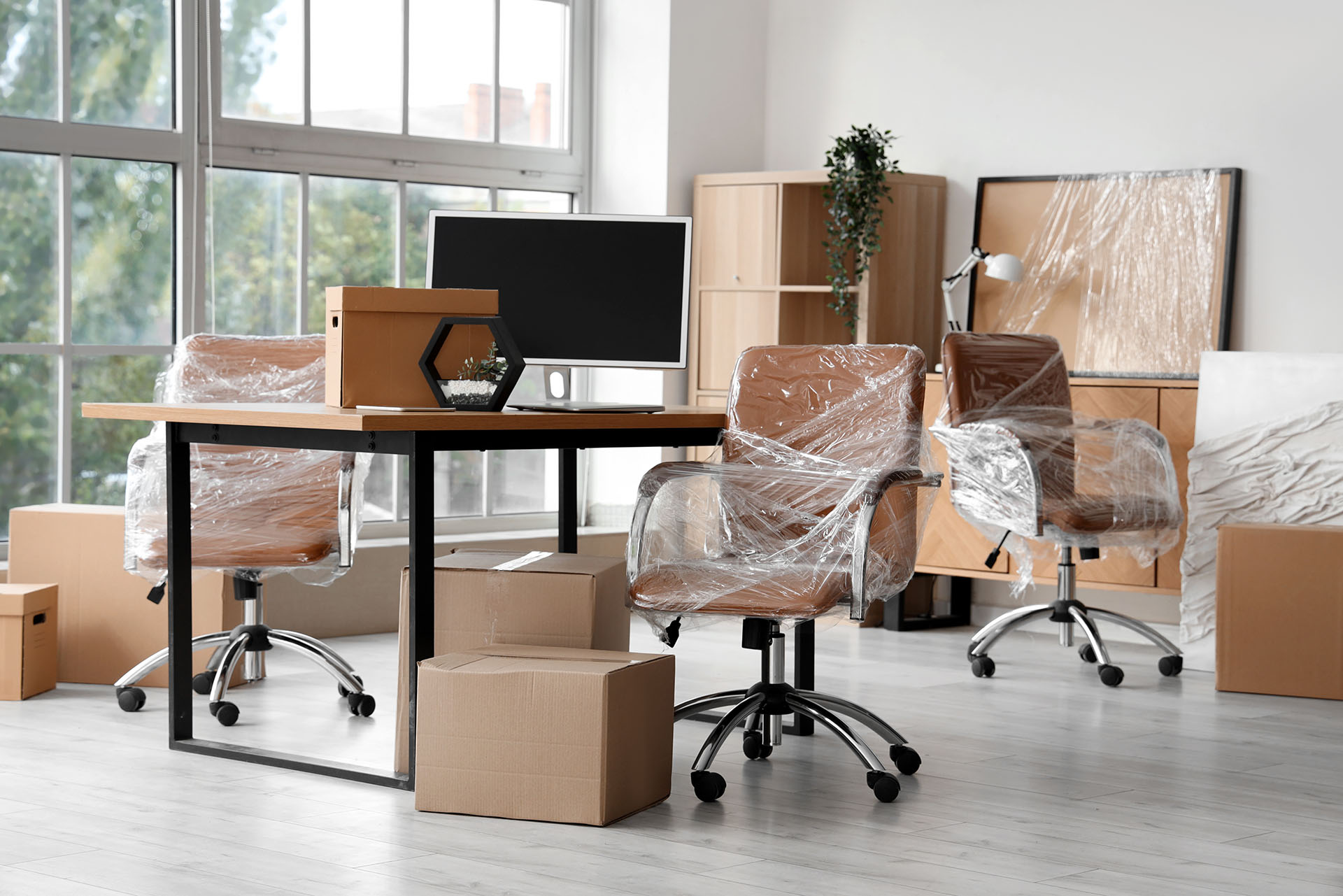
Hotels rarely stand still. Rooms are refreshed, public spaces redesigned, and entire buildings occasionally reimagined, all while guests continue to check in and out. This guide explains how hotel and lodging removals support refurbishment projects without disrupting the guest experience.
A Sector Under Constant Renewal
The UK hospitality sector is large and constantly evolving. According to the House of Commons Library, there were 176,685 hospitality businesses in the UK as of March 2025, of which 97.7% are small businesses. Occupancy also remains strong, with VisitBritain reporting year-to-date hotel occupancy in England of around 75% for the first five months of 2026.
With so many hotels trading at healthy occupancy, refurbishment projects have to be planned around guests rather than empty buildings. That makes scheduling, discretion and careful handling just as important as the physical move itself.
Why Hotel Removals Need a Different Approach
Hotels operate around the clock, which means logistics must fit around guest arrivals, housekeeping schedules and daily operational requirements rather than the other way round. A removals team working in a live hotel environment needs to understand hospitality rhythms as well as how to move furniture safely.
Supporting Refurbishments and Room Upgrades
Refurbishment projects are common across the hospitality sector, whether that means modernising bedrooms, upgrading communal spaces or redesigning entire floors. Typical support includes room clearance before refurbishment work begins, furniture relocation within the property, temporary storage during renovation, and reinstallation of furniture once the work is complete.
What Gets Moved in a Hotel Relocation
- Guest room furniture and fittings
- Reception desks and lobby furniture
- Restaurant and bar equipment
- Conference and event furniture
- Artwork, mirrors and decorative features
- Gym and spa equipment
- IT equipment and office furniture
- Housekeeping and operational equipment
Scheduling Around Guests
Removals in a live hotel are typically scheduled early morning or late evening, during periods of lower occupancy, or floor by floor to minimise disruption. Coordinating closely with refurbishment contractors ensures the work is completed efficiently without affecting the guest experience.
Secure Storage Between Projects
During refurbishments or seasonal changes, hotels often need somewhere secure to keep furniture, décor or spare equipment. Secure storage solutions with inventory tracking make it easy to retrieve and deliver items exactly when they are needed again.
Multi-Site Hotel Groups
Many hotel groups operate multiple properties, and coordinating removals between locations, storage facilities and refurbishment sites nationwide is a regular part of hospitality logistics, whether that involves upgrading one location or redistributing furniture across several sites.
Heritage Buildings and Historic Hotels
A good number of UK hotels occupy listed or historic buildings, where fixtures, fittings and architectural features need particular care. Our museum and heritage removals guide covers the conservation-grade handling used for heritage collections, much of which applies equally to historic hospitality properties.
Office Spaces Within Hotels
Behind the scenes, hotels also rely on back-of-house offices for management, administration and events teams. Our office removals guide covers the equivalent process for relocating these working spaces alongside the wider hotel.