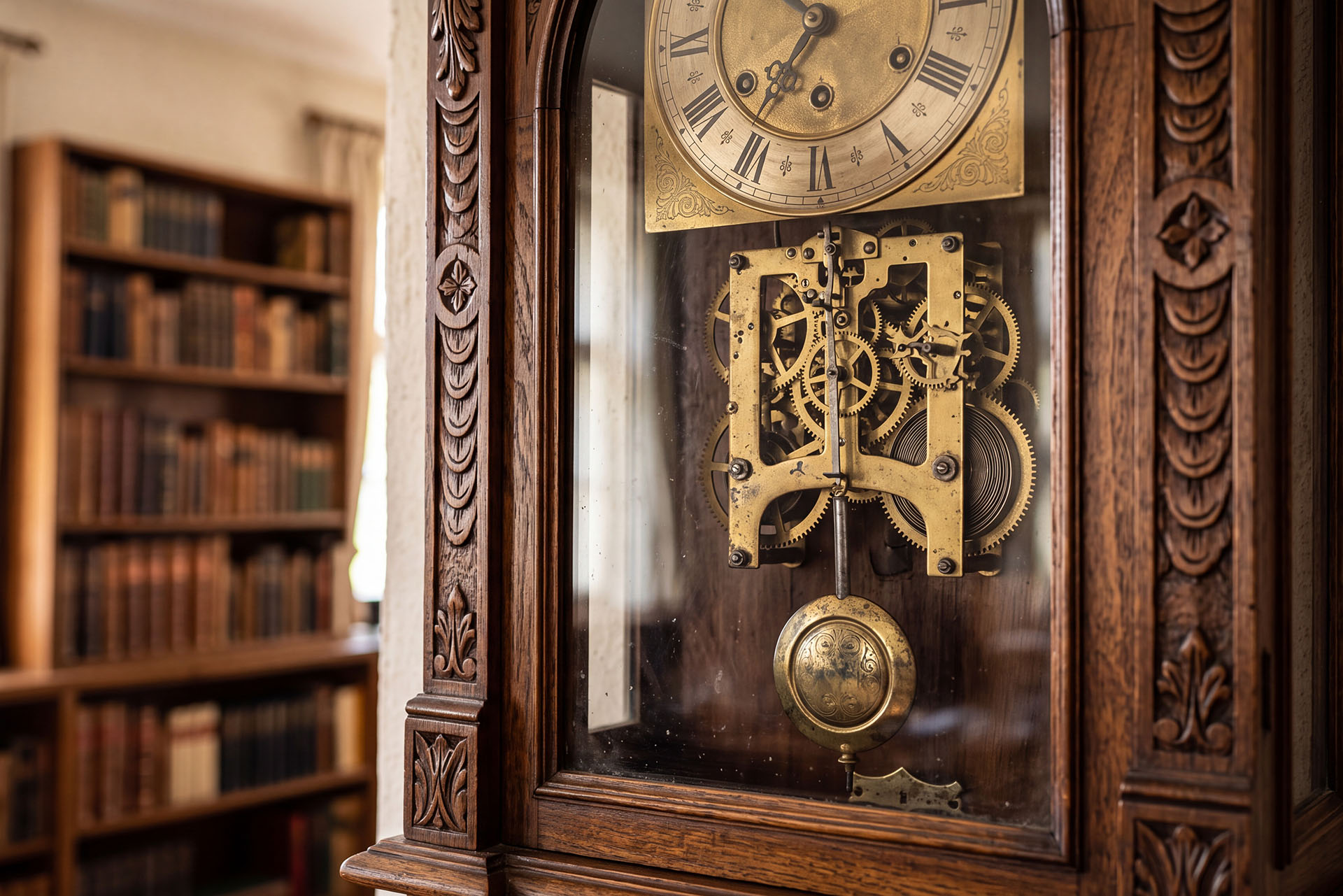
Most furniture can be replaced if it is damaged. A grandfather clock that has been in the family for a century, a Georgian bureau or a painting with sentimental value cannot. Moving antiques needs more planning than an ordinary house move, because old pieces have old joints, fragile veneers and finishes that react badly to knocks, damp and sudden changes in temperature.
This guide explains how to prepare valuable and delicate items, what to ask your removals company and how to make sure everything is properly covered before it leaves your home.
In short: photograph and list every valuable item before the move, check your insurance and get a current valuation for anything significant, tell your removals company exactly what you have, let experienced crews wrap and crate fragile pieces, keep small valuables with you, and avoid moving antiques into damp or unheated spaces.
Why Do Antiques Need Extra Care?
Antique furniture was built with animal glues, solid timber and hand cut joints. Over decades, timber shrinks and moves, glue dries and joints loosen. A piece that sits happily in one place can be surprisingly fragile when lifted, tilted or carried.
- Legs and stretchers are weak points, especially on chairs and side tables.
- Veneers and inlays can lift or chip if they catch on anything.
- French polish and lacquer mark easily, and plastic wrap pressed directly against them can leave impressions.
- Marble tops, mirrors and glass are heavy and brittle.
- Clocks and mechanisms need pendulums and weights removed before they travel.
The British Antique Dealers’ Association guide to caring for antique furniture is a helpful read on how humidity, light and handling affect older pieces.
What Should You Do Before Moving Day?
Make an inventory
List every valuable or fragile item, with a short description and photographs from several angles. Record existing marks, cracks and repairs. This protects you if there is a dispute, and it helps the crew understand what they are handling.
Check your insurance
Valuable items often need to be listed individually on a home contents policy, and some policies limit cover while goods are in transit. Ask your removals company what cover applies during the move and whether you need to declare high value items in advance. If you are not sure what a piece is worth, an up to date valuation from a qualified valuer is worth getting. BADA explains how to arrange a valuation, and the Association of British Insurers has consumer guidance on contents insurance.
Tell us everything at the survey
The more we know, the better we can plan. During your home removal survey, point out every antique, artwork and fragile item, along with anything particularly heavy or awkward such as a long case clock, a safe or a piano.
How Should Antiques Be Packed?
This is where experience counts. Our professional packing service is the safest option for valuable and fragile pieces, and many customers pack the everyday items themselves while we handle the special ones.
Furniture
- Remove drawers, shelves and loose parts, and wrap them separately. Never lift a chest by its top or a chair by its arms.
- Remove keys from locks and keep them safe.
- Wrap polished surfaces in soft paper or blankets first, before any outer layer, so nothing presses against the finish.
- Protect corners and legs with extra padding.
- Dismantle only where a piece is designed to come apart, and leave original joints alone.
Mirrors, glass and marble
These should travel upright, never flat, with padded edges. Large mirrors and paintings often need bespoke crates or picture cartons. Marble tops should be removed from their bases where possible and carried on edge.
Paintings and framed artwork
Wrap in acid-free paper, then bubble wrap with the bubbles facing outwards, then a rigid carton or crate. Gilt frames are particularly delicate and should not have tape touching them.
Ceramics, glass and silver
Wrap each item individually, fill hollow pieces with soft paper and pack them in small, strong boxes with plenty of cushioning. Silver should be wrapped in acid-free tissue or cloth to slow tarnishing.
Clocks
Remove the pendulum and weights from long case and bracket clocks, and secure the movement. If you are not sure how, ask a clock specialist to prepare it before moving day.
What About Pianos and Instruments?
Antique pianos and stringed instruments are a specialist job in their own right. Our instrument removals service and our guide to moving a piano cover the equipment and planning involved.
What Should You Keep With You?
Small, high value items are best carried personally rather than loaded on the lorry. That includes jewellery, watches, small silver, coins and medals, and anything you could not bear to lose. Keep them in a locked bag in your car and do not leave it unattended.
Can Antiques Go Into Storage?
Yes, but where and how they are stored matters. Antiques do not like damp, or large swings in temperature and humidity, which can cause timber to swell, crack or lift veneers. Avoid garages, sheds and lofts. A professional facility is far better, and items should go in clean and dry, wrapped in breathable covers rather than sealed plastic.
Our guide to protecting furniture in storage from damp covers this in detail, and our secure storage guide explains the options. For collections of real historical significance, our article on museum and heritage removals shows how we handle the most sensitive items.
What Should You Check When the Items Arrive?
- Unwrap valuable pieces with the crew present if possible.
- Compare each one against your photographs and inventory.
- Let furniture acclimatise for a day or two before placing it near a radiator or in direct sunlight.
- Report any damage straight away and in writing, with photographs.
- Have clocks set up and regulated by someone who knows how.
Frequently Asked Questions
- Do I need special insurance to move antiques?
You may do. Check whether your home contents policy covers items in transit and whether high value pieces need declaring individually. Ask your removals company what cover they provide. - Should I wrap antique furniture in plastic?
Not directly. Plastic can mark polished surfaces and trap moisture. Use soft paper or blankets first, then an outer layer if needed. - Can you move a grandfather clock?
Yes. The pendulum and weights need removing and the movement securing before it travels. If you are unsure how, ask a clock specialist to prepare it. - Is it safe to store antiques long term?
It can be, in a dry, secure facility with items properly wrapped. Avoid garages, lofts and sheds, where damp and temperature swings can cause damage. - Should I get my antiques valued before moving?
It is sensible for anything of significant value, so your insurance reflects the true replacement cost.
More From Our Blog
- What Should You Know Before Moving Into a New Build Home?
- How Do You Help an Elderly Parent Move Home?
- Professional Packing Services: Why Half of House Moves End in Damage
Moving Something Precious?
Our experienced crews have been handling heirlooms, antiques and fine furniture across the North West for more than thirty years. Call 0151 343 1264 to talk through what you have, or request your free quote.